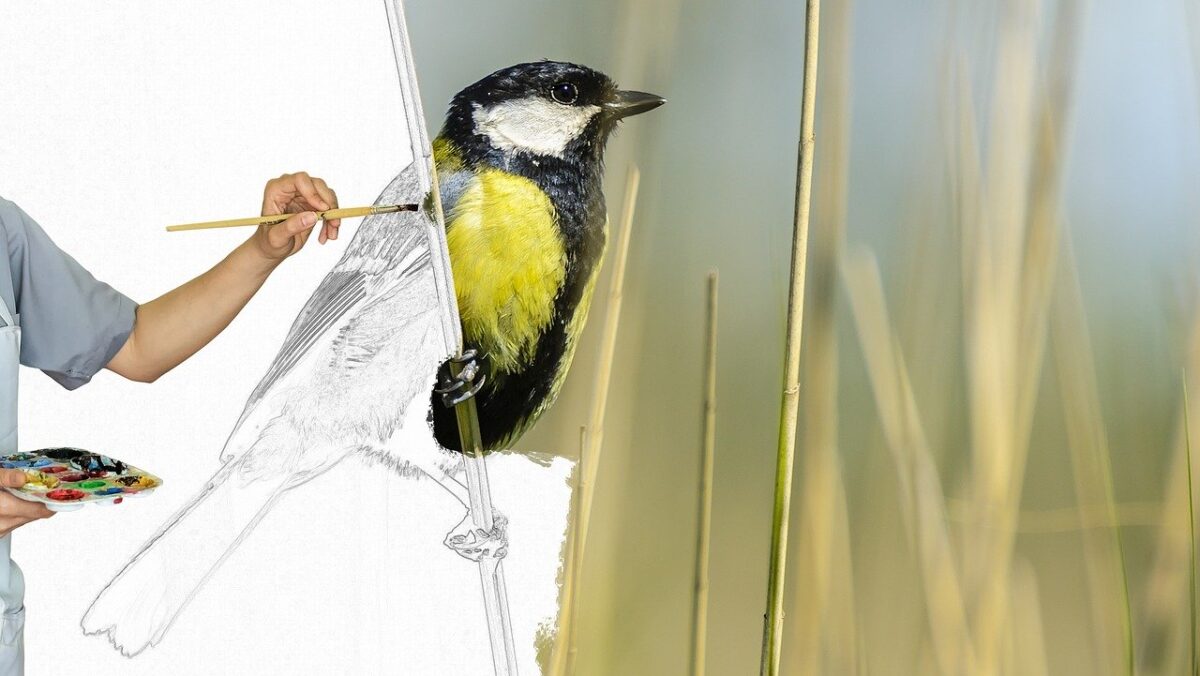
Generative art has emerged as an intriguing convergence of creativity and technology, challenging traditional notions of artistic creation. Leveraging algorithms and computational processes, generative art produces works that are not only visually compelling but also intellectually stimulating. This fusion of art and technology has opened up new avenues for expression, offering artists a novel medium to explore the boundaries of aesthetics.
Breaking New Ground in Aesthetic Possibilities with Generative Art Algorithms
Generative art algorithms are at the forefront of creating unprecedented aesthetics, utilizing mathematical and computational techniques to craft unique artworks. These algorithms operate under defined parameters yet allow for a significant degree of unpredictability, leading to outcomes that often surprise even their creators. This blend of control and randomness is what makes generative art particularly fascinating, as it suggests a new way of understanding art creation.
The potential of generative art lies in its ability to transcend the limitations of human imagination. By employing algorithms, artists can generate complex patterns and forms that would be impossible to conceive manually. This process not only expands the creative horizon but also challenges the very definition of authorship in art.
Generative art has gained attention for its ability to produce works that are both aesthetically pleasing and conceptually rich. The integration of algorithms into artistic practice invites viewers to engage with art on a multi-dimensional level, considering both its visual impact and the underlying processes that brought it to life.

Key Elements in Generative Art Creation
When crafting generative art, several critical elements come into play. Understanding these components can provide insight into the complexities of this innovative art form. Below is a bullet list that highlights these key elements :
- Algorithm Design: the foundation of generative art lies in the algorithms that drive the creative process. Designing an effective algorithm requires a deep understanding of both artistic and computational principles.
- Parameter Control: artists often adjust parameters within algorithms to achieve desired outcomes, balancing predictability with spontaneity.
- Iteration and Evolution: generative art is inherently iterative, with artists refining and evolving their algorithms over time to produce increasingly sophisticated works.
- Interactivity: some forms of generative art incorporate interactive elements, allowing viewers to influence the artwork in real-time through their actions.
These elements work together to create a dynamic and evolving landscape for artistic exploration. By mastering these components, artists can unlock new creative potentials and redefine the boundaries of visual expression.
Impact on the Art World
Generative art is not merely a technological novelty; it represents a profound shift in the way art is conceived and experienced. Its impact on the art world has been multi-faceted, influencing everything from artistic techniques to the broader cultural discourse on technology and creativity. By integrating technology into the creative process, generative art challenges traditional artistic hierarchies and democratizes the production of art.
The rise of generative art has also sparked debates regarding the role of the artist in the age of automation. Some view these algorithms as tools that enhance human creativity, while others see them as potential threats to the artist’s unique vision. Despite these differing perspectives, the influence of generative art continues to grow, reshaping the landscape of contemporary art.
Future Directions and Possibilities
As generative art continues to evolve, it holds the promise of even greater innovation in the future. Emerging technologies, such as artificial intelligence and machine learning, are poised to further revolutionize the field, enabling more complex and responsive algorithms. This ongoing evolution presents exciting opportunities for artists to explore new forms of expression and engage audiences in novel ways.
Generative art stands at the intersection of art and technology, challenging conventional approaches to creativity and offering fresh perspectives on aesthetic possibilities. As artists and technologists continue to push the boundaries of what is possible, generative art is set to play an increasingly significant role in shaping the future of artistic expression.